Licensed speech-language pathologists, audiologists, and hearing aid dispensers in Santa Cruz are subject to a specific code of conduct that they must follow to maintain their licenses and livelihoods. If a complaint is brought against you by an unsatisfied or jealous colleague, client, or employer, it can significantly impact a profession that has been costly in terms of time, effort, and investment. However, a skilled license attorney can support you in defending your livelihood and reputation, regardless of the nature or severity of the allegation.
At Santa Cruz License Attorney, we understand how much your license means to you, your loved one, and the people who depend on your services. We can assist you in understanding the implications of the allegation against you, your legal options, and the right strategies to convince your licensing board to dismiss the allegation or give a fair ruling in your case.
Reasons to Defend Your License
A professional license in California gives you the right to offer safe and quality services across the state. The Board of Speech-Language Pathology, Audiology, and Hearing Aid Dispensers takes careful consideration when issuing professional licenses. It ensures that those who are certified possess the necessary skills and a thorough understanding of all laws governing their profession. If you fail in your mandate as a speech-language pathologist, audiologist, or hearing aid dispenser, the board can take away your license and your ability to earn a livelihood.
Becoming a licensed speech-language pathologist takes a lengthy and expensive process. You need adequate training, which can take years and cost you a substantial amount of money. After that, you need enough experience to prove your competence. Then, you can apply for a license, which is also a lengthy and costly process. As a certified professional, you can safely and effectively assist individuals with speech issues. You can diagnose a wide range of disorders that affect communication and provide the appropriate treatment recommendations. However, you can lose your license in an instant if there is an allegation of incompetence or unprofessional conduct against you.
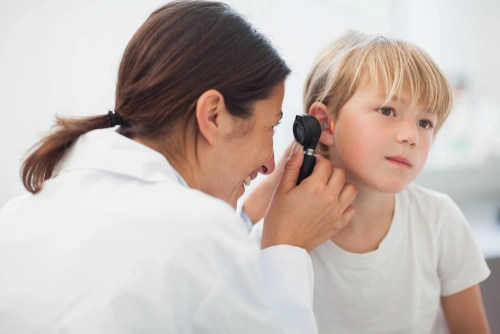
Becoming an audiologist also takes time. You need proper training to diagnose and treat various problems that impact a person’s capacity to hear. You also need more training to handle different patients, of different ages and with diverse needs. Although the training equips you with the necessary skills, you must prove your competence to obtain a professional permit. The board looks beyond your skills to license a professional who can safely and effectively offer their services without putting the lives of people at risk. If a complaint is brought against you, the board may take immediate action to safeguard the public. This can mark the end of a career you have built for years.
A hearing aid dispenser is also invaluable in the healthcare sector. When people lose their ability to hear due to accidents, chronic illnesses, or old age, they may rely on your skills to identify the proper hearing devices for them. In this case, you work closely with individuals and families to ensure they understand the available options and the best choices that suit their needs, preferences, and budget. However, all this can end if your licensing board takes disciplinary action against you because of an allegation.
Allegations against licensed professions are not always factual. Some are true, others are untrue, and others are exaggerated. However, this does not mean that you do not deserve to serve as a speech language pathologist, audiologist, or hearing aid dispenser. Most of the allegations filed against professionals like you do not affect your skills or competence. However, they can result in license suspension or revocation. A skilled license attorney will do their best to defend your license and reputation, so that the case against you can be resolved amicably.
The California Board of Speech-Language Pathology, Audiology and Hearing Aid Dispensers
This is the primary licensing body of qualified speech-language pathologists, audiologists, and hearing aid dispensers in the state. It reviews applications from qualified professionals to verify their qualifications for licensing. The board considers a lot of factors when issuing licenses, including your skills, level of training, experience, reputation, and how well you understand the law, especially laws that pertain to your profession. Only the applicants who satisfy the set criteria are licensed to offer their services in the state.
However, the board’s mandate goes beyond issuing and revoking licenses. Its primary mandate is to ensure public safety and satisfaction with the services offered by the professionals it licenses. The board takes public safety so seriously that it can suspend your permit if you put one or more of your patients at risk of harm. Thus, when a claim is brought against you, the board will not try to defend you. Instead, it will try its best to safeguard the public, even if it means suspending or revoking your license. Thus, you must take careful action to prevent it from happening.
If your career means a lot to you, and you want to continue offering your services to your patients, you should partner with a competent defense attorney for your license. Talk to an attorney immediately after learning about the allegation against you. They will begin working on your license defense to enhance your chances of achieving a favorable outcome.
Here are examples of allegations that can seriously affect your livelihood:
- Alcohol or substance abuse, mainly when working
- Engaging in any type of fraud, including insurance fraud
- Unprofessional conduct against a patient, colleague, or anyone else
- Working without a legal license
- Hiring unlicensed assistants to work for you in a job that requires competence or a license
- Accepting kickbacks to prescribe a specific type of hearing device or treatment
- Using misleading or false advertising techniques to gain patients
- Ordinary, gross, or criminal negligence when treating a patient or for refusing to render treatment
- A current or prior criminal charge or conviction that potentially affects your reputation or competence
- An investigation or discipline by a different licensing body, even from another state
Possible Outcome of a Complaint Against a Licensed Professional
There are many ways an allegation of unprofessional conduct can ruin your career as a licensed speech-language pathologist, audiologist, or hearing aid dispenser. The board first investigates the matter once it receives an allegation to determine its severity and the appropriate course of action to take. Then, it holds a hearing to review the evidence and hear your defense before making the final decision on the matter. Here are some of the factors the board considers in determining your case:
The Nature of the Allegation
When a complaint is brought against you, the board first considers the nature and severity of the complaint to decide its next course of action. If the allegation is minor or unsubstantiated, or false, the board does not investigate it. However, if it is a serious allegation, the board will investigate it to decide the best disciplinary action to take against you.
The board will still consider the nature and severity of the allegation when choosing the proper disciplinary action. You could lose your license due to revocation in case of a serious accusation.
The Actual or Possible Harm to the Public
Remember that the board exists mainly for public safety. Its primary concern is whether your actions brought any harm to the public. If a patient suffered physical, emotional, or financial harm due to your actions, your discipline will likely be severe.
Your Record of Performance
The board also considers how you have performed in your career in the past. If you have maintained a good reputation for years, you may be inclined to be a little lenient when choosing a disciplinary action. However, if this is a subsequent allegation or if you have a bad reputation, the discipline can be more severe.
Your Intent
If you are accused of acting in a particular manner or not taking action, the board may consider your intent to assess the severity of your case and discipline. If you acted in good faith but the results were disastrous, the board may be lenient. However, if you had a criminal intent, the discipline can be dire, even if the results were not severe.
Your Cooperation and Compliance
The board may also consider how cooperative you have been during the investigation and resolution of the case. If you provided the necessary information willingly and were available when needed, the outcome of your case may be favorable. If you did not comply with the investigators and did something to impede the investigation, the discipline may be severe.
Once the board’s investigation is over, it could hold a hearing to resolve the matter. An administrative judge is appointed to oversee the hearing. They will review the evidence against you and your legal defense to select the best course of action for the board. Here are possible results of this administrative process:
Case Dismissal
The Board of Speech-Language Pathology, Audiology and Hearing Aid Dispensers does not act on all the allegations it receives against its licensed professionals. It dismisses some cases before investigation, and others after the investigation. In some cases, the board dismisses cases after hearing the defense, especially if there are mitigating factors in your case to compel a reasonable outcome.
Thus, you can convince the board to drop the complaint with the help of a competent defense attorney. They can introduce compelling evidence to counter the allegations or mitigating factors to help your situation. Once your case is dismissed, you can continue with your career as if the allegation never happened.
A Public Citation and Fine
This is a legal notice requiring you to appear in court on a specific date and time due to the violation. The judge considers the nature and seriousness of the violation to decide the amount of fine you should pay. Public citations are issued in lenient cases. However, they can damage your reputation, especially since they are publicly issued. If a person of interest comes across the citation, including a current or potential patient, they can decide to end their involvement with you.
Additionally, the fine can vary in amount, depending on the severity of the allegation. If your fine is high, you may struggle to afford it, especially if you are already financially struggling.
A Letter of Reprimand
This is a formal warning from the board detailing your unprofessional conduct and stating its expectations for future behavior. It may contain potential consequences if you fail to correct the misconduct. A reprimand is a stern warning against further violations. However, it can still damage your reputation since it is publicly issued.
License Suspension/Revocation
Suspension and revocation are primarily used in cases of serious incompetence or unprofessional conduct. If you harm or put the public at risk of harm, you could lose your license to suspension or revocation. This can seriously impact your career and reputation, with lasting effects that may last for years to come.
License suspension is usually temporary. However, it leaves you without a livelihood for several months or years. You cannot render your services on a revoked or suspended license and may need to explore alternative means of livelihood until your license is reinstated.
License suspension is for life, meaning you lose a career that took you a long time to build. Your reputation is also tarnished, and it may make it difficult for you to work in the healthcare sector in the future.
Fortunately, an experienced and aggressive license defense attorney can utilize their skills and best defense techniques to fight for a favorable outcome. They may save your license, reputation, and career.
Find a Proficient License Defense Service Near Me
If your speech pathologist, audiologist, or hearing aid dispenser license faces the risk of termination in Santa Cruz, a license attorney can help. Your license can be at risk if you do something that potentially affects your competence and professionalism or something that puts the public at risk of harm. The Board of Speech-Pathology, Audiology and Hearing Aid Dispensers will take stern action against you to safeguard the public. This may result in a lost career and livelihood, and a tarnished reputation.
We know how difficult this can be at Santa Cruz License Attorney. We can support you in navigating the complex administrative process and fighting for your license. With our support, you may not lose your license or career after all. Contact us at 831-770-6474 for a further discussion about your case and how we can assist you.