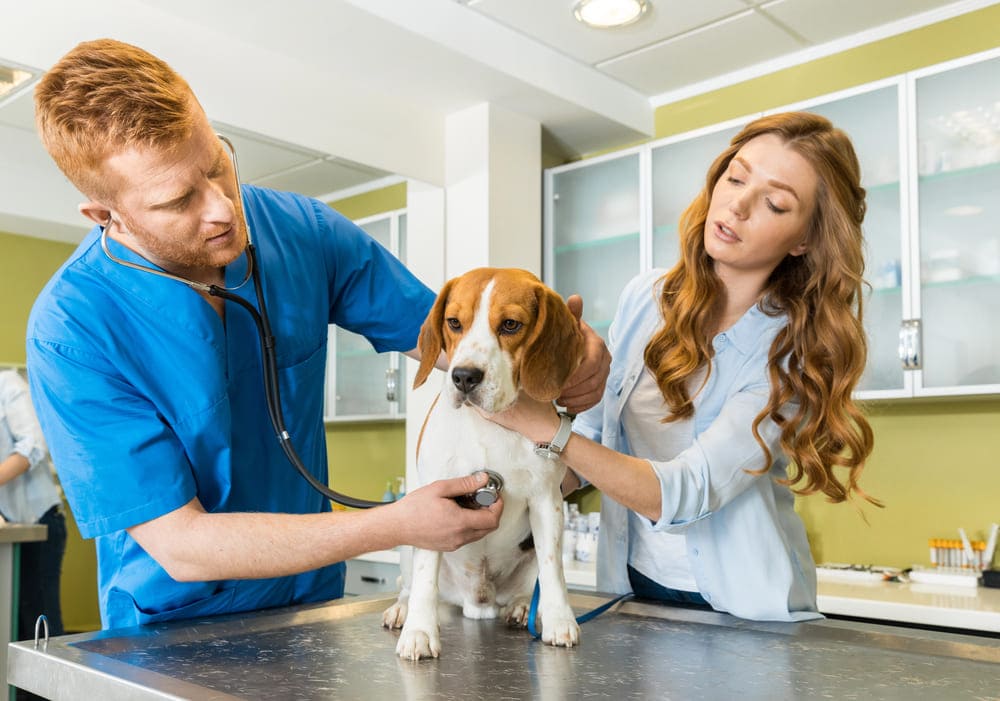
Veterinarians are professionals licensed to practice veterinary medicine. They are authorized to diagnose, treat, and prevent animal diseases. You can only become a veterinarian if you have studied veterinary medicine and obtained the required skills or requirements from a recognized learning institution. The law does not allow people to practice veterinary medicine without proper qualifications or a professional license. You can be arrested and charged if you practice veterinary medicine without a license.
Your license could be at risk if you are charged or accused of breaking the professional codes of conduct. Seek the services of a licensed attorney to help you obtain a license or fight any allegations that can risk your license. At the Santa Cruz License Attorney, we have experienced attorneys who can fight for your rights, no matter how intricate the allegations against you.
The Constitution And Establishment Of The Veterinary Licensing Board
Business and Professional Codes 4800 and 4917 govern veterinarians and their licensing in California. The Veterinary Medical Board is part of the Department of Consumer Affairs, and it was established under these codes. The board consists of seven members, three of whom are public. Under these laws, a board member must be a graduate of a recognized veterinary college. You must also possess a professional veterinarian license and should have practiced in California for at least five years.
Business and Professional Code sections 4800 and 4917 also require that a board member be a California resident for at least 5 years. Public members do not need a license. They should also not belong to any other boards. A member can only serve on this board for a period that does not exceed four years. These Codes allow members to leave the office once a replacement has been identified. Members can also remain in office for a period not exceeding one year upon the expiry of the term.
The governor appoints five members of the veterinary licensing board. According to the law, one of the five members must be a member of the public. The Senate and the speaker have the mandate to appoint the other two members. The board appoints an executive officer, who must not be a civil servant. The executive officer works under the board’s guidance.
The Duties Of The Veterinary Medical Board
The veterinary medical board is charged with other duties in addition to issuing licenses to qualified veterinarians. It has different roles that are primarily effective when a disciplinary issue arises in veterinary medicine.
You should better understand the board’s duties if you are facing malpractice claims. This will help you prepare a solid defense with the help of your licensing attorney. The other responsibilities of the board include:
Issuing License Restrictions For Professionals In Violation Of Practice Standards
Upon completion of the investigation, the board could restrict your professional license and place you under strict supervision. The purpose of this decision is to minimize your involvement in the profession until you show your capability to reform.
The decision of the board to restrict your practice can also force you permanently out of the profession. This can happen if you are accused of serious allegations like:
- Causing the death or disfigurement of many animals, and
- Repeated gross negligence
Your licensing attorney can help you fight the allegations to prevent the board from issuing a revocation order.
Investigating Your Veterinary Practice
The board can commence investigations against you upon receiving an accusation. This will help the board establish the exact nature of your offense. The board will send officers to your offices to obtain the information needed to understand how you run your activities. Additionally, you can be ordered to present certain documents to the board, particularly if you are accused of committing fraud or misappropriation of a client’s money. Securing surveillance footage and gathering witnesses are also common forms of investigation for the board, particularly if your case involves mistreating animals.
Receiving Complaints From Affected Clients
Your clients have a right to present complaints to the veterinary medical board for further recourse if they are dissatisfied with the quality of veterinary services you offer. The board will evaluate and process complaints upon receipt. The board does this to filter out non-urgent complaints that do not require a response and serious allegations that require urgent investigation. The office that receives allegations is often open. A dissatisfied client can seek recourse against your actions immediately after they occur.
Enforcing The Laws Of Conduct For All Practicing Veterinarians
The board enforces the laws of conduct and professional standards it develops to ensure that all professionals comply with them. This is important because enforcement mechanisms will ensure accountability.
The board will send inspection officers, conduct public surveys, and request performance reports as part of its enforcement strategies. It can also enact punitive laws in an effort to deter unwanted practices, and you could be subject to some disciplinary actions once you are accused of any violation.
Enacting Industry Codes Of Conduct And Performance Standards
You are required to work for years in the veterinary field before receiving accreditation to practice. The board will include industry codes of conduct to ensure you observe the high-performance standards necessary to undertake your duties and minimize potential animal abuse and exposure to unnecessary dangers.
Since veterinary is a sub-branch of medicine, you must observe performance standards to prevent negligence issues and general oversights that can affect your profession. Some of the codes of conduct include:
- Prevention of the exploitation of animals
- Protecting animals from unnecessary pain exposure, and
- Protecting animals from harsh conditions
The Allegations That Can Affect Your Veterinary License
Your colleagues and clients can jeopardize your practice license even if you do your best to offer excellent veterinary services. This can result in a license revocation or suspension. You should understand the allegations that can negatively affect your business as a dedicated veterinarian, putting you at risk of losing your license. Securing these details can help you develop defense strategies early. This will be beneficial when attending your administrative hearing. The following are some of the accusations you can face in your veterinary practice:
Securing The Services Of Inexperienced And Unlicensed Workers
Most veterinary offices require more staff to meet client service demands. As a result, you can hire additional certified workers. They must also possess relevant expertise to carry out their duties. You risk your license if you fail to verify your workers’ qualifications and experience levels. Since your workers receive direct orders from you, you will be responsible for them, even when they fail to observe required work standards.
Violating Health Code Guidelines
Animal health is crucial, just as human health is, because animals are part of the ecosystem. You are subject to animal health codes, and you must observe these guidelines to promote proper service delivery in the field. Complying with the health code guidelines ensures you maintain the required safety and cleanliness standards in your clinic and work sites.
Failure to observe health code guidelines can negatively affect your practice and prevent you from taking in clients freely. Additionally, your integrity will come under scrutiny, leading to a decline in your business line. However, you can fight these allegations with the help of your license attorney. An attorney’s involvement will be vital throughout your disciplinary hearing. The board states health codes clearly to protect veterinarians from unnecessary scrutiny and possible license suspension.
Committing Fraud Throughout Your Practice
Fraudulent acts involve falsifying details or presenting false information to obtain authorization, goods, or services illegally. Fraud also constitutes deceit, allowing a fraudulent party to benefit more than a person who undertakes the process correctly.
The medical board has the right to order an investigation based on allegations of fraud, particularly if a client has valid reasons for presenting the accusation. You could be ordered to stop your practice for a while to allow investigations. This can limit your ability to continue practicing. You should reach out to your license attorney once you receive a notice to suspend your license. An attorney, can you contest the suspension orders and justify your right to continue practicing until incriminating information is established?
Committing Gross Negligence or Showing Clear Incompetence
The primary veterinary training demands that you observe standard procedures, which lay the foundation for more complicated operations. You are likely to act negligently, exposing animals to improper treatment for failing to adhere to these guidelines. For example, medicine can fail to take full effect if you fail to establish an animal’s weight before determining anesthesia dosages. This could be detrimental to the animal. You risk exposing the animal to severe pain and discomfort during the operation, which could lead to poor oral performance.
Additionally, being incompetent in your duties can negatively affect your practice, as your lack of experience and training becomes more apparent. If your colleague or a client notices your lack of expertise when treating an animal, he/she has the right to report you to the board for further action. You risk losing your license based on the nature of the findings the board makes.
Practicing With An Invalid or Fraudulent License
You must complete your veterinary training and pass the required accreditation exams before you are allowed to practice veterinary medicine in California. The board can only consider you fit to practice after you have achieved these milestones.
Using fraudulent or invalid licenses can also attract criminal charges, especially if the fraud involves misleading details to the involved parties. As a result, you risk facing stringent inquiries and investigations to uncover your efforts to secure an invalid license.
Working Under The Influence Of Drugs or Alcohol
Working while drunk can affect your productivity by inhibiting your ability to make sound decisions. You cannot discharge your duties well if you are in an altered state of mind because you lose your mind-body coordination over time. Working while under the influence warrants an accusation or being reported to the veterinary medical board. If this happens, you should be prepared to face investigations and potential disciplinary measures. The board could be interested in establishing the frequency of your intoxication upon receiving the complaints. It will also determine if your state of mind inconvenienced your clients. The board will also establish if the clients’ animals were at risk. It will make a proper determination after receiving the necessary information.
The Repercussions Of Malpractice Allegations
Upon receiving accusations and carrying out investigations to verify the information, the board can choose to set it aside or proceed with the lawsuit. The board can only proceed with the case if it has merit. It could inform you of an interim suspension from your duties, meaning you step aside for some time. Even if the suspension is definite, it will inconvenience you and interfere with your practice. However, your license attorney can help you fight it, allowing you to continue practicing pending a hearing.
If you and your accuser fail to reach a settlement through negotiation and mediation, an administrative hearing will be held. This process involves showing up before the veterinary medical board. You will be allowed to give your side of the story and defend yourself against the allegations you are facing. Since this is a trial, you should have your license attorney present, as you are required to provide structured responses to the board. An attorney can enhance your chances of a favorable outcome.
The board often relies on the veterinary medical board’s disciplinary guidelines to present charges against veterinarians. You should understand the content, and your attorney will prepare an appropriate defense to help you justify your case.
Some of the penalties you could face if you are guilty of malpractice include:
- Revocation of your license
- Suspension of your license
- Citation
- Letter of reprimand, and
- Probation
Find an Experienced Professional License Attorney Near Me
Obtaining a veterinary license requires years of training and experience. You must meet the required education standards and gather practical experience before obtaining a license. It would be detrimental to have your professional license suspended or revoked due to allegations of negligence or malpractice, or after facing criminal charges. You should contact an attorney immediately if you receive a notice of board investigation. Do not try to respond to the board on your own without the help of an attorney. An attorney can guide you on how to create the best defense strategy. If you or your loved one’s veterinarian license is at risk, contact Santa Cruz License Attorney. Call us at 831-770-6474 to speak to one of our attorneys.